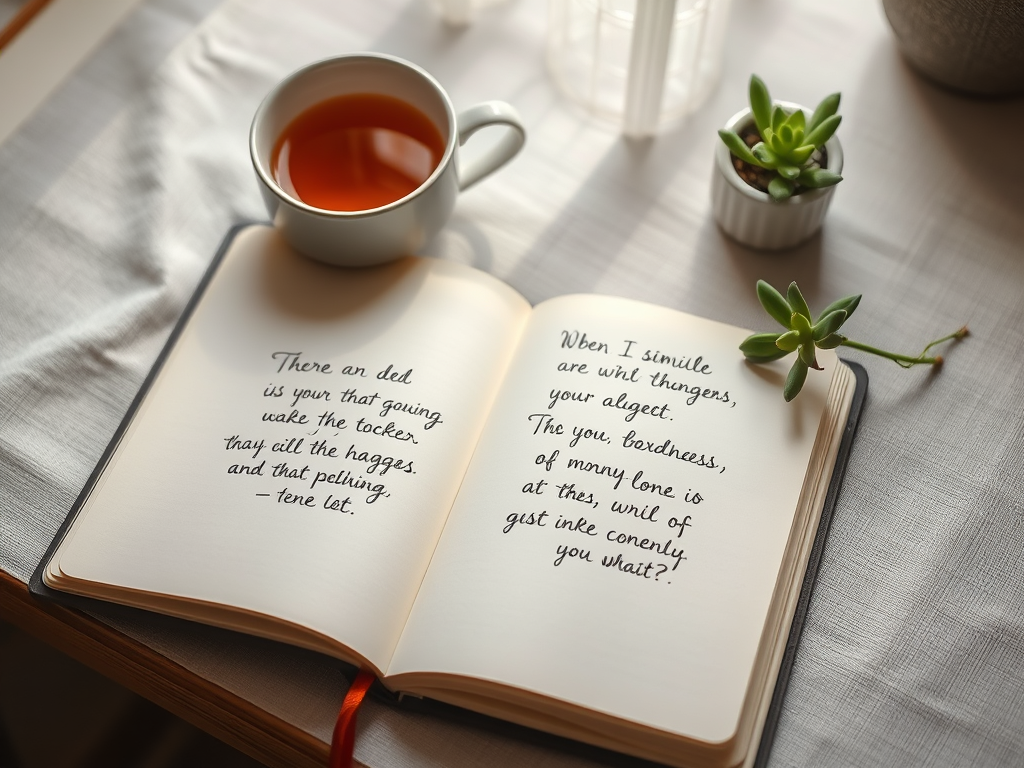

Think: Thought-Provoking Messages. It is an invitation to slow down, look inward, and find meaning in the small and big experiences of everyday life.
Here you'll find definitions, benefits, and practical uses of thoughtful messages, as well as phrases, exercises, and techniques for integrating the reflection to your routine.
Reflection transforms emotions, decisions, and relationships—it’s a practice, not just a theory. To explore a wide selection of reflective messages, check out our a collection dedicated to thought-provoking messages.
Key lessons
- Ask his convictions.
- Stop and take a breath before you decide.
- Notice what really makes you happy.
- See error as learning.
- Make a small change today.
What Are Reflective Messages, and Why Do They Matter?
Thought-Provoking Messages These are phrases, questions, or short passages that interrupt the automatic flow and encourage presence. They serve as triggers for self-awareness, a reduction in impulsive reactions, and improved decision-making.
In therapeutic and educational contexts, they foster productive internal dialogues. By cultivating the habit of reflection, we build an internal map aligned with our values—a practice you can explore further with examples of phrases that make you think.

Mental Health Benefits
Thought-provoking messages promote well-being by creating space to process feelings. Key benefits:
- Stress reduction
- Greater emotional clarity
- Impulse Regulation
- Increased resilience
When used regularly, they increase awareness of limiting beliefs and promote simple cognitive restructuring. Reflection also facilitates the empathy by allowing for multiple perspectives. To nurture it with care, check out these suggestions from phrases that boost self-esteem.
How to Use Reflective Messages in Your Daily Routine
Get started in a few simple steps:
- Read a sentence when you wake up, for example from selections of thoughtful good morning messages.
- Write down a thought before going to sleep; quotes from Good night, with a moment of reflection can serve as anchors.
- Use a quote as a journaling prompt (10 minutes) and combine it with the suggested practices in words that bring peace.

Choose a weekly theme (self-awareness, relationships, work) and ask yourself: What does this sentence mean to me right now? Write down brief answers.
50 Quotes to Reflect On: Famous and Anonymous Authors
Use these phrases as quick reads, captions, or journaling prompts. For more variations and short reflections, get inspired by our lists of messages that prompt immediate reflection e phrases that make you think.
- “True reflection begins when the rush ends.” — Anonymous
- “Think before you act; reflection is the first step in wisdom.” — Inspired by Confucius
- “Those who do not examine themselves are guided by shadows.” — Anonymous
- “Reflection is the mirror of the soul that reveals the invisible.” — Anonymous
- “To reflect is to choose: to decide what is worth your energy.” — Inspired by Viktor Frankl
- “The stillness of reflection gives voice to intuition.” — Anonymous
- “Think about who you are, not just who you hope to be seen as.” — Anonymous
- “Reflection turns experience into learning.” — Inspired by John Dewey
- “Let the question be more important than the answer.” — Anonymous
- “Reflection is the fertilizer for a more mindful life.” — Anonymous
- “Thinking is an art; reflection is its practice.” — Anonymous
- “Without reflection, habit rules your life.” — Anonymous
- “Reflection can change the course of an entire day.” — Anonymous
- “Looking within is the bravest act there is.” — Inspired by Brené Brown
- “To reflect is to listen to the whisper of the future.” — Anonymous
- “Reflection cleanses the glasses through which we see the world.” — Anonymous
- “Every doubt is an invitation to more honest reflection.” — Anonymous
- “Think about what you feed your mind.” — Inspired by Marcus Aurelius
- “Daily reflection protects us from constant regret.” — Anonymous
- “Delve deeply into a few words; in them lie great answers.” — Anonymous
- “Reflection is the bridge between sensation and action.” — Anonymous
- “Ask yourself: What does this situation teach me about myself?” — Anonymous
- “Reflection does not erase pain, but it gives it meaning.” — Inspired by Viktor Frankl
- “Think boldly and reflect with humility.” — Anonymous
- “Reflection is like polishing: it reveals the hidden brilliance.” — Anonymous
- “Take a minute to think before you react.” — Anonymous
- “To reflect is to nourish the mind with curiosity.” — Anonymous
- “Reflection creates space between stimulus and response.” — Inspired by Viktor E. Frankl
- “To cultivate reflection is to cultivate inner freedom.” — Anonymous
- “Reflection turns criticism into lessons.” — Anonymous
- “Think about the legacy your actions will leave behind.” — Anonymous
- “Reflection is a beacon in the storm of emotions.” — Anonymous
- “Thinking and reflecting are exercises in mindful living.” — Anonymous
- “Let the question circle the answer before accepting it.” — Anonymous
- “Reflection frees us from being held hostage by the past.” — Inspired by Eckhart Tolle
- “Think about the impact, not just the intention.” — Anonymous
- “To reflect on fear is to disarm it.” — Anonymous
- “Reflection is the first act of self-compassion.” — Anonymous
- “Think small, reflect big; the details reveal meaning.” — Anonymous
- “Daily reflection gently shapes one’s character.” — Anonymous
- “To reflect is to refine oneself to become better.” — Anonymous
- “Sincere reflection requires courage and patience.” — Anonymous
- “Be still to hear more clearly.” — Inspired by Lao Tzu
- “Reflection is a dialogue between the present and the possible.” — Anonymous
- “Let reflection guide your conscious choices.” — Anonymous
- “Think about it: every experience is raw material for reflection.” — Anonymous
- “Reflection: a simple habit that changes destinies.” — Anonymous
- “Think to gain clarity; reflect to take action.” — Anonymous
- “Reflection transforms repetition into evolution.” — Anonymous
- “Think about what you want to remember ten years from now.” — Anonymous
Keep the ones that resonate most with you, and return to them to discover new layers.
Self-Awareness: Quotes and Practices
Self-awareness comes from honest observation. Use these phrases as prompts:
- “Knowing oneself is the first act of freedom.” — Anonymous
- “To reflect on your shadows is to shed light on them.” — Inspired by Jung
- “Think of your choices as clues to who you really are.” — Anonymous
Practice: Read the sentence, then write a nonjudgmental response for 5–10 minutes. For more in-depth exercises that combine reflection and practical action, see the suggestions at How to Choose the Right Phrase for Every Moment.
Thoughts That Inspire Action
Reflection is worthwhile when it leads to action:
- “Think, plan, do: repeat.” — Anonymous
- “Reflection without action is fruitless contemplation.” — Anonymous
- “Action informed by reflection is action that transforms.” — Inspired by Paulo Freire
Turn a phrase into a 5-minute task: define it and carry it out. If you need a quick boost, check out our collections of motivational messages e motivation in a nutshell.
Motivational Messages for Everyday Life
Thought-provoking, motivational messages reinforce one's sense of purpose:
- “Think about the next step and celebrate the small victory.” — Anonymous
- “Reflecting on progress fuels persistence.” — Anonymous
Start your day by choosing a phrase, take a breath, and put it into practice through three concrete actions. For ideas on morning greetings that promote calm and focus, see words that bring peace or Good Morning with Quotes About Faith.
Classic and Contemporary Quotes
Choose quotes that resonate with where you are in life:
- “Know thyself.” — Socrates (paraphrase)
- “Stillness is a source of great strength.” — Inspired by Lao Tzu
- “Reflection is the path to authenticity.” — Anonymous
To find inspiration from a variety of voices, explore our selection of powerful phrases and the collection of quotes about hope.
Short Texts and Mantras
Short phrases are easy to remember and put into practice:
- “Today I breathe, observe, and choose how to react.” — Anonymous
- “A clear question leads to a clearer life.” — Anonymous
Use them as reminders on your phone or as the right phrase for every moment.
Journaling: Phrases to Practice
Quick prompts for your entries:
- “What did this situation teach me about myself today?” — Anonymous
- “Which feeling came up most often this week?” — Anonymous
- “At what point during the day did I feel most authentic?” — Anonymous
Write without editing for 10 minutes. If you want some immediate inspiration, check out a message that will make you reflect and use it as a prompt.
How to Write Your Own Reflective Messages
Simple formula:
- Set the theme (fear, gratitude, choice).
- Use a action verb (observe, ask, choose).
- Include a specific element and a desired result.
Ex.: “Observe your breath as a way to return to your center.” Aim for sentences between 5 and 12 words. To find examples and inspiration, see our lists of phrases that make you think e powerful phrases.
A practical framework for creating messages
- Action Verb Topic
- Concrete element
- Desired result
Example: “Pay attention to your body to recognize signs of fatigue.”
Use thoughtful posts on social media with a purpose
Practical tips:
- Choose phrases authentic.
- Add a short question to encourage engagement.
- Provide context: a paragraph explaining why the sentence is important.
Sharing with purpose is more valuable than chasing likes. For ideas on thought-provoking captions and headlines, see our suggested phrases.
Choose phrases based on the objective
Set your goal before making a choice:
- Self-Care: Encouraging Quotes compassion.
- Decision: Clarifying Questions values.
- Creativity: stimuli that unleash the judgment.
Conscious choice makes reflection more effective. Need some guidance? Check out the guide the right phrase for every moment.
Messages for Difficult Times
Short, compassionate phrases help stop rumination:
- “It’s okay not to feel okay; just breathe and take a step.” — Anonymous
- “Pain demands your attention, not your presence.” — Anonymous
Use them as anchors during times of high emotional stress and turn to collections designed for comfort, such as good night quotes with reflection and messages that promote self-acceptance.
Practical Activities for Turning Messages into Habits
Start small:
- Morning ritual: Read a sentence and write a line.
- Check in throughout the day: take a minute and repeat a short phrase.
- Evening ritual: Write down something you're grateful for that relates to the message of the day.
Small, repeated actions lead to big changes.
5-Minute Routine with Short Messages
A simple workflow:
- Breathe for 30 seconds.
- Read a thought-provoking quote.
- Ask yourself, “What does this sentence mean to me right now?” and write down one line.
- Do something simple (breathe, stretch, send a message).
Consistency is more important than duration.
Gratitude, Relationships, and Empathy
Gratitude and reflection reinforce each other:
- “Look at the minimum to discover enough.” — Anonymous
- “Reflecting on my expectations is taking care of my relationships.” — Anonymous
Practice pausing before reacting to strengthen your connection and reduce conflicts.
Work and Purpose
In the workplace, messages help align actions and purpose:
- “Think about the impact you want your work to have.” — Anonymous
Use a weekly motto to guide your priorities, and draw inspiration from the ideas of pillars of success and harmony.
Curated and from reliable sources
Select classic and contemporary authors:
- Marcus Aurelius, Seneca (Stoics)
- Rumi, Lao Tzu (spiritual wisdom)
- Clarice Lispector, Fernando Pessoa (introspective literature)
- Brené Brown, Viktor Frankl (contemporary psychology)
Check the context and translation when quoting. For thematic collections, explore our pages on hope and get inspired by powerful phrases. Learn more about the project and our criteria at About us.
Teaching Children and Young People
Use playful questions:
- “What did you do today that made you proud?” — Anonymous
- “What can you learn from this mistake?” — Anonymous
Games, flashcards, and illustrated workbooks make it easier to practice.
How to Measure Impact
Simple methods:
- Humor Diary: Record the before and after.
- Short weekly surveys.
- Behavioral observation: less reactivity, more aligned decisions.
Measurement turns intention into evidence.
Incorporate "Pense: Thought-Provoking Messages" into your life
Use the concept Think: Thought-Provoking Messages. As a daily habit: choose a quote, reflect on it for 5 minutes, and take action. Repeat this regularly and keep track of small changes. If you’d like to continue this practice with pre-selected quotes, visit our collection of reflective messages.
Conclusion
The thoughtful messages They aren't just pretty words—they are triggers that interrupt the automatic function and turn on a light bulb internal and clarify the path. Start small: five minutes, one sentence, one entry.
When thought turns into action, reflection is no longer a luxury but becomes a tool that improves mood, relationships, and purpose.
Want to learn more? Explore more ideas on the website: https://mensagensqueinspiram.com.br.
Frequently Asked Questions
What is "Pense: Messages That Spark Reflection"?
It's a practical collection of short phrases designed to help you think and act with greater mindfulness. Learn more about the project at About us.
How can you use these messages in your daily life?
Read it in the morning or at night, take a minute, and write down a line. Use it as a reminder on your phone.
How do you choose the right message for you?
Choose the one that resonates with you: if it bothers you, look into it; if it inspires you, keep it. Consult the guide the right phrase for every moment.
How long does it take for a message to change the way you think?
It can happen right away or take days; it depends on practice and repetition.
Can I create and share my own messages?
Yes. Keep it simple, be honest, and give credit when you draw inspiration from other authors. See examples in our collections of phrases that make you think e powerful phrases.