Quotes by Boethius: Eternal Wisdom and Real Consolation
Phrases by Boethius: Wisdom Eternal and Real Consolation - Have you ever imagined writing a masterpiece while waiting for the end of your life in prison? That's exactly what Boethius did.
This philosopher Roman, who lived in the transition to the Middle Ages, left us an impressive legacy.
His work, The Consolation of Philosophy, is a real remedy for the human soul.
In this article, we'll delve into the thoughts of Boethius through his most powerful quotes.
Get ready to question the role of luck and fate in your life.
We'll also see how true happiness doesn't depend on external factors.
Let's explore together this brilliant mind that influenced centuries of Western thought.
Who was Boethius and why is he important?
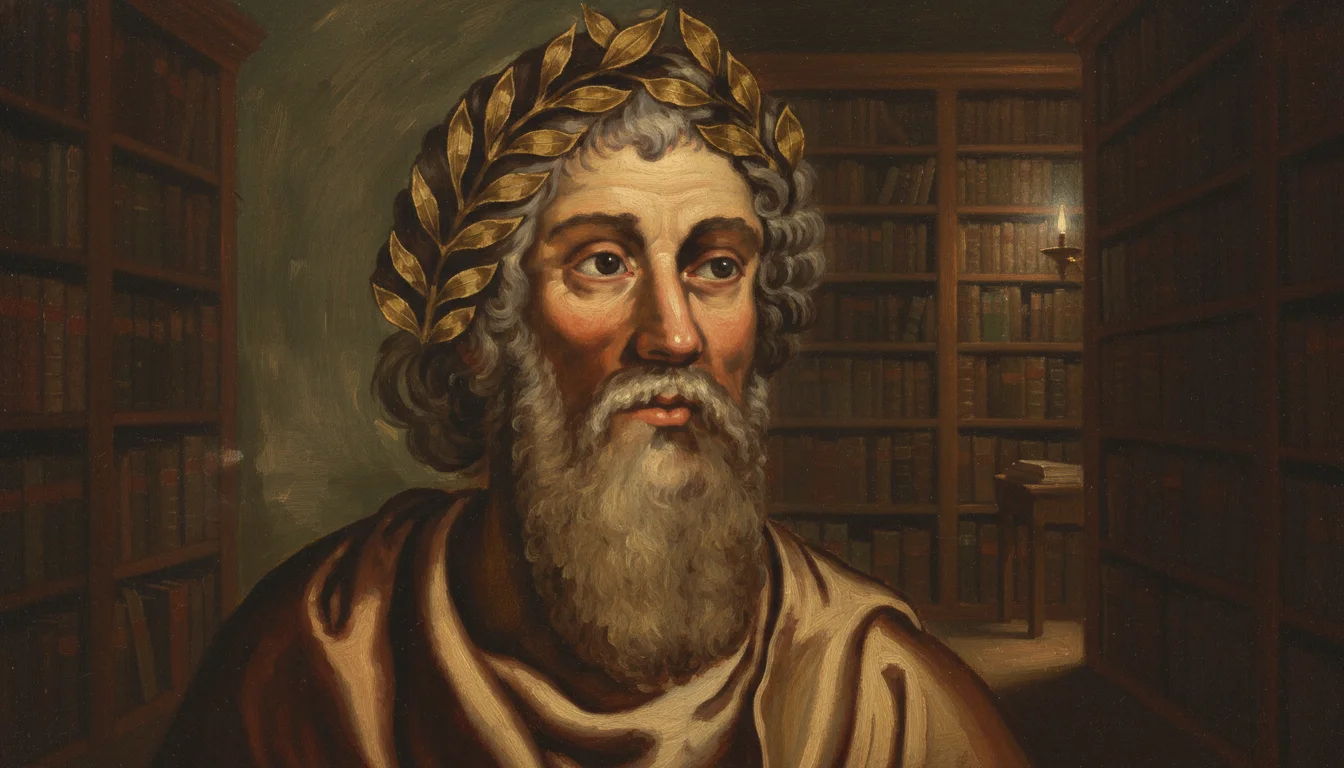
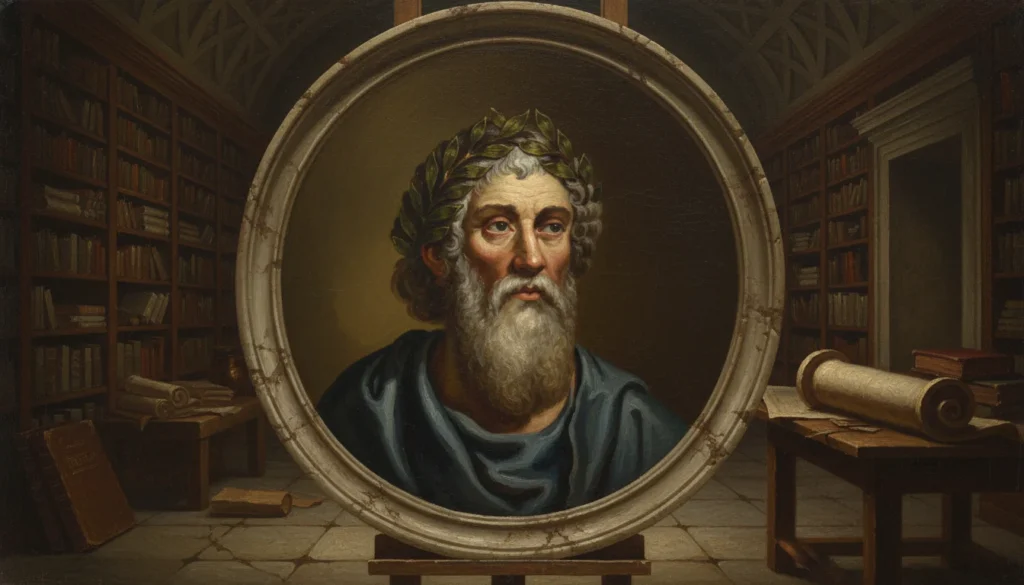
Anício Mânlio Severino Boethius was a statesman and philosopher who served King Theodoric the Great.
However, his life took a dramatic turn when he was accused of treason.
It was in prison, awaiting execution, that he wrote his most profound reflections.
So his words are not empty theories, but thoughts tested by the fire of adversity.
He dialogues with “Lady Philosophy”, seeking to understand the nature of good and evil.
Below, we've selected more than 40 essential phrases for you to understand Boethius.
Quotes by Boethius about the Wheel of Fortune
The fickleness of fortune is a central theme in the work of Boethius.
He teaches us that relying on fortune is a fatal mistake for peace of mind.
“Bad luck teaches, good luck deceives.”
— Boethius
See how adversity can be a much more honest teacher than prosperity.
“You are the mistress of your destiny; don't let fortune rule you.”
— Boethius
When the wheel of fortune turns, those at the top will inevitably come down.
“Fortune, when it caresses, is to deceive; when it wounds, it is to instruct.”
— Boethius
“Those who seek happiness in the instability of luck build on sand.”
— Boethius
It's essential to understand that material goods come and go easily.
“Nothing is miserable unless you think it is.”
— Boethius
“He who has fallen fears to fall no more.”
— Boethius
This perspective frees us from the constant fear of losing what we have.
“If fortune were to stand still, it would cease to be fortune.”
— Boethius
“Do you believe that happiness lies in what can be taken away from you?”
— Boethius
“Men believe that happiness depends on fortune, but fortune is blind.”
— Boethius
“There is no greater misfortune in times of misery than to have been happy in the past.”
— Boethius
This last sentence resonates with the pain of longing and loss of status.
Boethius' Reflections on True Happiness
For Boethius, happiness is not outside us, but within us.
He argues that seeking satisfaction in external things is a trap.
“Happiness is the good that, once obtained, leaves nothing else missing.”
— Boethius
“He who has himself has something that fortune cannot take away.”
— Boethius
“True happiness lies in virtue, not in possessions.”
— Boethius
“Why, O mortals, do you seek outside the happiness that is within you?”
— Boethius
This inner search is the path to emotional self-sufficiency.
“A man rich in virtues is richer than a man rich in gold.”
— Boethius
“Sufficiency is the mother of true joy.”
— Boethius
“No man is happy if he doesn't believe he is.”
— Boethius
“He who has much desires more, and that is true poverty.”
— Boethius
“Happiness does not consist in having a lot, but in needing little.”
— Boethius
“Stop looking outside for what you have in your own chest.”
— Boethius
These quotes from Boethius invite us to deep introspection.
To deepen your knowledge, consult reliable sources such as Wikipedia or Brazil School.
Messages from Boethius on Virtue and Vice
Morality is the shield against the injustices of the world, according to Boethius.
The wicked, even when they are powerful, are actually weak and slaves to their vices.
“Wickedness is its own punishment.”
— Boethius
“The good are always powerful; the bad are always weak.”
— Boethius
“Virtue is the health of the soul.”
— Boethius
“Vice corrupts human nature and lowers it to the level of beasts.”
— Boethius
“Whoever abandons reason and lives by instincts ceases to be a man.”
— Boethius
“The reward of virtue is virtue itself.”
— Boethius
“All the power of the wicked is, in fact, a form of powerlessness.”
— Boethius
“Hatred is a heavy burden for those who carry it.”
— Boethius
“Justice shines even in the darkness of prison.”
— Boethius
“Do not envy the evil man who prospers; his fall will be hard.”
— Boethius
These sentences show that the integrity of Boethius remained intact until the end.
Boethius' thoughts on God and Providence
The theological vision of Boethius connects classical philosophy to Christianity.

He sees God as the supreme source of all good and the order of the universe.
“God is the helmsman who guides all things for the good.”
— Boethius
“Eternity is the total, simultaneous and perfect possession of an endless life.”
— Boethius
“Chance does not exist where God rules.”
— Boethius
“What we call destiny is only divine providence at work in time.”
— Boethius
“All things seek to return to their origin, which is God.”
— Boethius
“Evil has no substance; it is only the absence of good.”
— Boethius
“The order of the universe is a hymn to the wisdom of the Creator.”
— Boethius
“Look to heaven and see the stability that is missing on earth.”
— Boethius
“Humble prayer pierces the clouds.”
— Boethius
“In God, being and living are the same thing.”
— Boethius
Table: Boethius vs. Modern Stoicism
| Concept | Boethius' vision | Modern Stoicism |
|---|---|---|
| Main Focus | Divine Providence and Consolation | Mental Control and Practical Action |
| Origin of Good | God (Highest Good) | Reason and Human Virtue |
| Emotions | They must be cured by philosophy | They must be moderated by Logic |
| Destination | God's instrument | Universal Nature (Logos) |
Checklist: Applying Boethius' Philosophy Today
Do you want to bring this ancient wisdom into your daily life?
Follow this numerical step-by-step guide to a more serene life:
- Identify what is external (fortune) and what is internal (virtue).
- Accept that changes in fortune are inevitable and don't depend on you.
- Seek happiness in your own peace of mind, not in material goods.
- Remember that adversity is an opportunity for growth.
- Practice gratitude for what remains, rather than mourning what has gone.
- Maintain moral integrity, regardless of external circumstances.
Glossary of Boethius Terms
To better understand Boethius, master these concepts:
Fortune: The capricious and fickle force that governs material goods and worldly success.
Providence: The supreme divine reason that orders everything for the good, seen from the perspective of eternity.
Sumo Bem: The perfect happiness that can only be found in God, where nothing is lacking.
Consolation: The process of healing the soul through philosophical reason and understanding the truth.
Suggested reading and links
If you liked Boethius, I'm sure you'll enjoy reading about Seneca or Marcus Aurelius.
For more daily inspiration, visit Messages that Inspire.
Conclusion: The Legacy of Boethius
At the end of this journey, it is clear that Boethius is more than an ancient philosopher.
He is a companion for difficult times, reminding us of the strength of our soul.
His phrases about fortune and happiness are still relevant today, because human nature hasn't changed.
So when life seems unfair, remember the Consolation of Philosophy.
May the wisdom of Boethius brighten your days and strengthen your spirit.
Frequently Asked Questions (FAQ)
1. What is Boethius' most famous work?
His most famous work is “The Consolation of Philosophy”, written while he was in prison awaiting execution.
2. What does Boethius say about luck?
He says that luck (Fortune) is fickle by nature and that we shouldn't base our happiness on it, because it changes without warning.
3. Was Boethius a Christian?
Yes, Boethius was a Christian and tried to harmonize classical Greek philosophy (such as Plato and Aristotle) with Christian theology.
4. Why was Boethius arrested?
He was accused of treason and conspiracy against King Theodoric the Great, although he claimed innocence and defended himself to the Senate.
5. What is Boethius' definition of eternity?
He defines eternity as the total, simultaneous and perfect possession of an endless life, something that belongs only to God.